
How Towels Became the Underdog Gift of Q4 (and What Retailers Can Do in 2026)
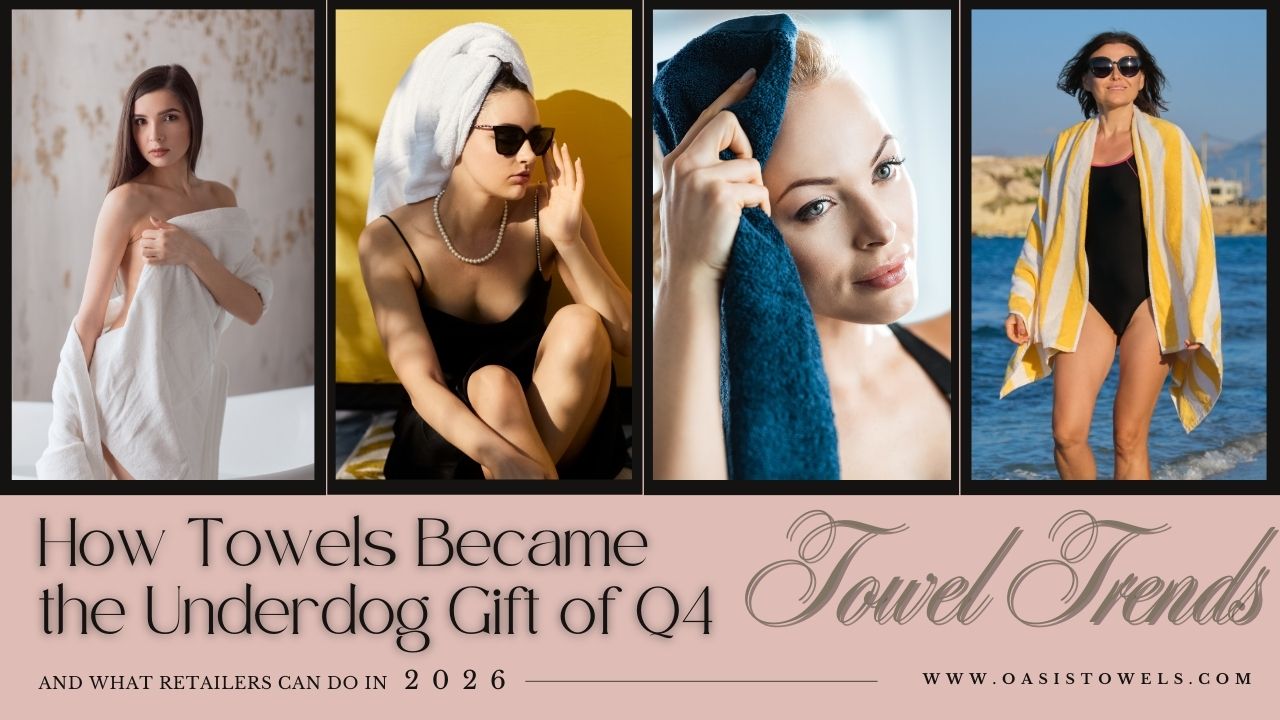
Not every category was built for gifting. But towels found their way in.
They fill that sweet spot: practical, personal, and easy to package. They travel well, suit a wide range of recipients, and carry a sense of care without the pressure of personalization. And lately, they’re showing up in bundles alongside candles, teas, or wellness kits.
The shift feels small, but it’s steady. And if you sell towels, it helps to understand what that trend unlocks for the rest of the year.
The Rise of Wellness-Driven Gifting
More shoppers are picking products that feel comforting rather than flashy. Think cotton bath sets over statement tech. This change aligns with a bigger shift in how people treat the holidays; it’s less about showy abundance, more about thoughtful use.
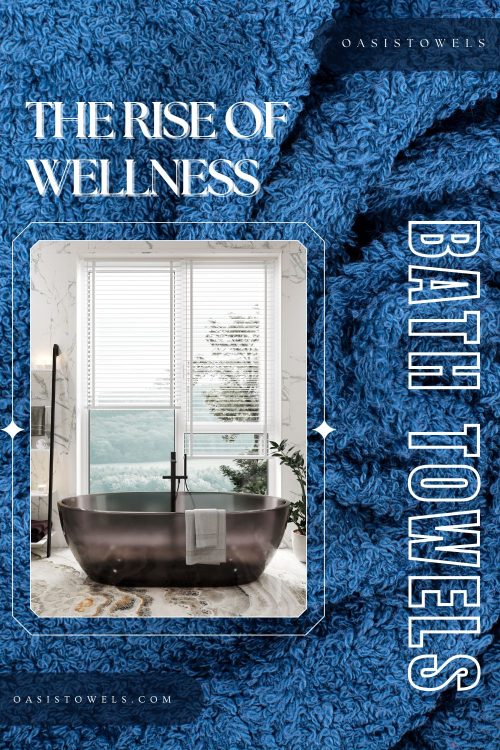
Towels fit into that mindset naturally. They evoke warmth, daily ritual, even a kind of reset. Many customers gift them as part of a broader lifestyle bundle, combining form and function. This isn’t a novelty purchase. It’s a soft nudge toward calm.
Retailers who tune into that intention early often shape better product stories. They can build collections that feel giftable in December but remain sellable in April.
Color Plays a Bigger Role Than Most Realize
Seasonal colorways help drive initial purchase. But when done carefully, they also stretch the life of the SKU. Subtle metallic thread, muted jewel tones, or even cool grays with minimal embroidery feel festive without limiting shelf life.
What we’ve seen work well: base tones that anchor the towel for everyday use, with just a hint of seasonal accent. This could be through stitching, borders, or clever folding styles that elevate the display.
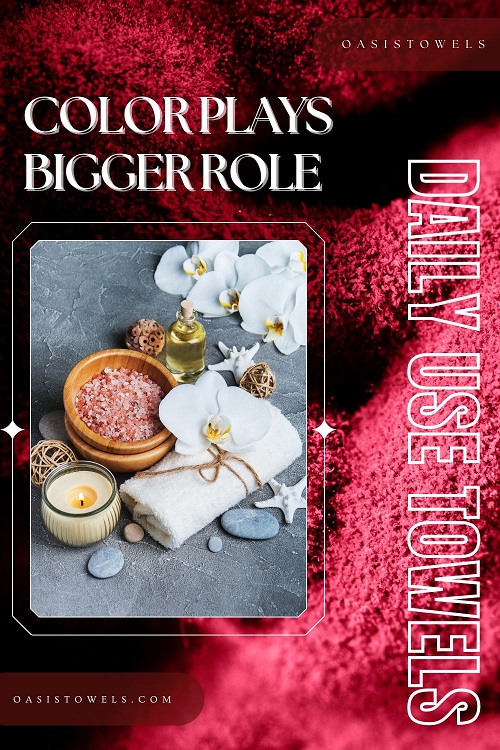
That detail matters because towels rarely live in isolation. They sit beside other products (candles, grooming kits, loungewear). Color gives you a shared story to tell across product types.
Value Now Means Utility, Not Just Price Point
Gifting used to lean heavily on price tags. That’s shifted. People now look at how well the item fits into someone’s life. Towels that dry faster, hold their softness, or serve multiple settings (travel, home, gym) make better gifts and sell better post-holiday.
The market rewards SKUs that feel useful beyond their wrapping. Retailers that plan for this at the sourcing stage get longer traction. Instead of a steep December spike and January drop-off, they see a slower, steadier sell-through.
Features like GSM, fabric blend, loop style, and even packaging shape this impression of utility. You don’t need to over-engineer it. But every added layer of thought adds months to the product’s relevance.
Repositioning Gift-Heavy SKUs for January and Beyond
Towels with seasonal appeal can still work after the calendar turns. It just takes minor pivots in how they’re merchandised. Move them from holiday gifting displays to wellness or home refresh tables. Shift messaging from “gift-worthy” to “upgrade-ready.”
Some retailers adjust their display language and product bundling rather than marking down. This gives the towel a second shot in a new context. Language like “fresh start,” “daily reset,” or “elevated basics” works better than “holiday sale.”
We’ve seen brands use leftover Q4 inventory to launch spa kits or January promos focused on wellness and home care. The product didn’t change. The story around it did.
Retailers Are Borrowing from Beauty and Wellness Merchandising
Towel displays increasingly resemble beauty sections. Folded stacks beside oils. Minimal signage. Lifestyle imagery over discount stickers. The logic is the same: present the product as something you use, not just something you store.
Retailers exploring towel placement beyond bath aisles often find better lift. Entryways, gifting zones, even cafe corners with curated displays have worked. It turns a standard towel into a curated find.
This shift works because the customer already made the connection. They see towels as part of a lifestyle. Merchandising just needs to meet that expectation.
Suppliers Can Help Create Carryover From the Start
The towels that keep selling in Q1 often look giftable—but feel like staples. That balance happens upstream, during development. A manufacturer focused only on novelty risks cutting shelf life short. But one that understands packaging, display logic, and SKU planning can help shape longer cycles.
At Oasis Towels, we work with brands that think two seasons ahead. That may mean using core shades that look elevated with ribbon wraps but still sit well on a home shelf. Or designing towel sets that can re-bundle cleanly once holiday demand fades.
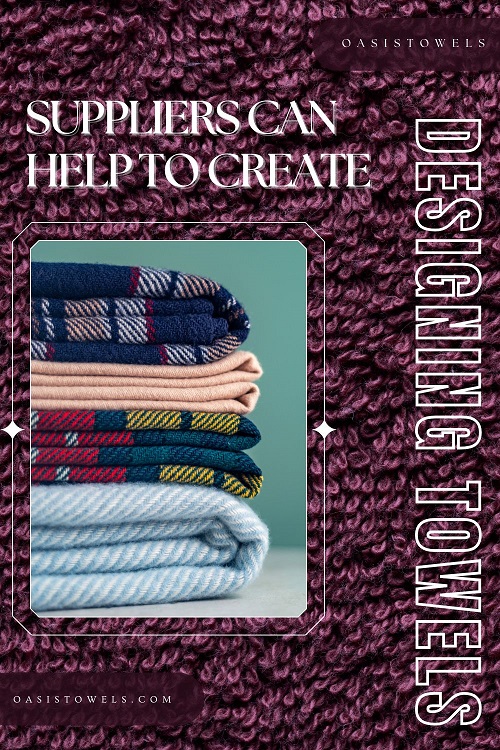
Small production choices make big retail differences. Texture, foldability, hem details—these all change how a towel performs post-gifting.
Towels Are Gaining Gifting Legitimacy Across Categories
Towels have moved beyond spa baskets and wedding registries. They now show up in gym starter kits, travel bundles, skincare sets, and boutique wellness boxes. That shift creates room for cross-category experimentation.
This gives you multiple angles to sell the same SKU. One towel could anchor a men’s self-care kit, a studio rebrand package, or a sustainable home edit. The product didn’t change—the pairing did.

For retailers with limited space or capital, this matters. You don’t need dozens of new designs. You need two or three that flex into multiple gifting angles without going stale.
Final Thoughts
Towels gained their spot in Q4 slowly (and quietly). They offered comfort when other gifts felt too impersonal, too expensive, or too specific. And now, they’re carrying that role into January, February, and beyond.
Retailers that saw the shift early began treating towels more like essentials than novelties. That shift paid off. Inventory moved longer. Bundles felt more useful. Gifting felt more natural.
At Oasis Towels, we support that thinking at every step. From fabric decisions to set curation, we help our partners build towel collections that serve multiple roles, across multiple seasons. If you want your holiday towel line to stay relevant in March, April, and May, let’s talk.